January 24, 2026 · Anchorclick
Automating a Marketing Pipeline: Strategies for Streamlined Success
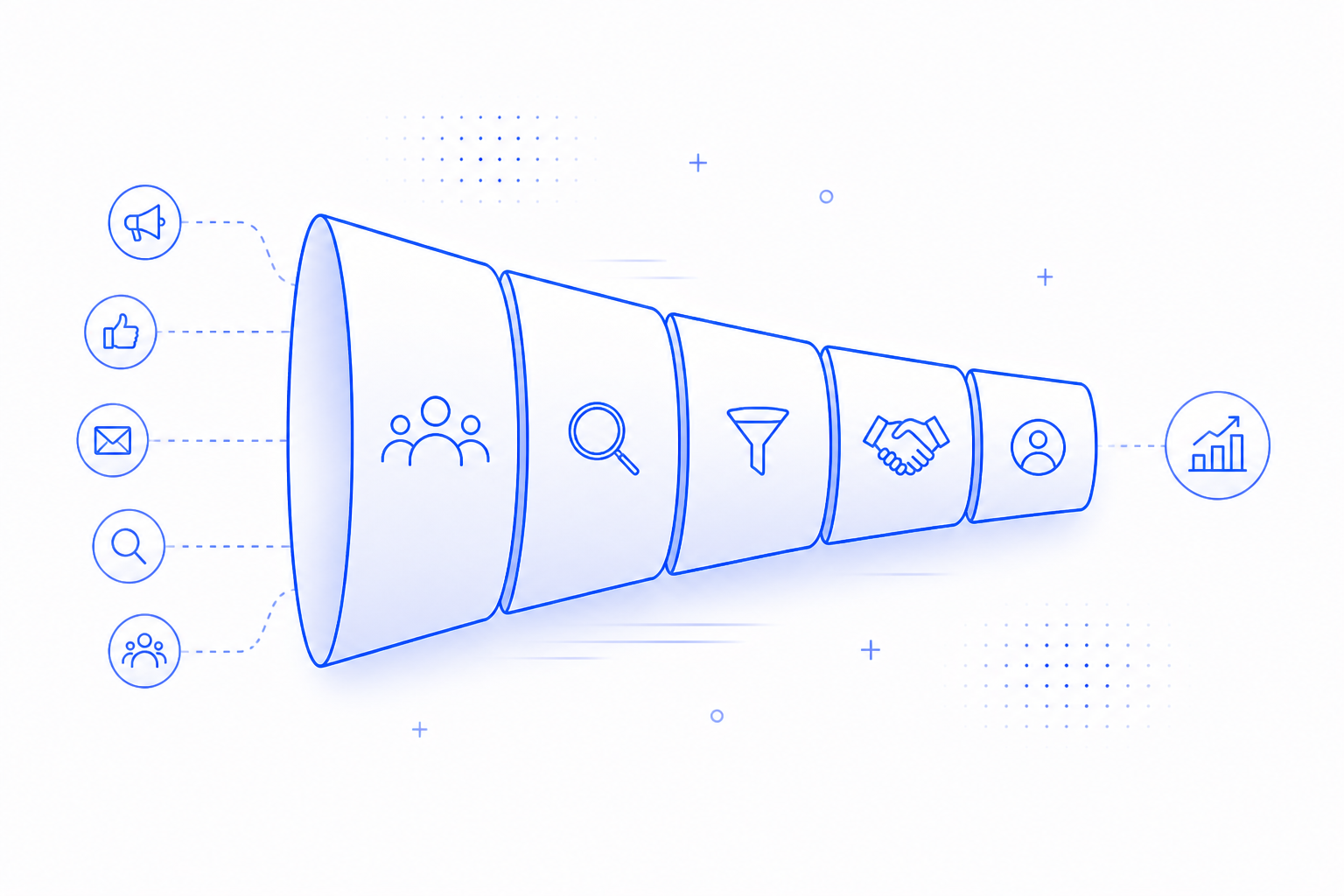
A marketing pipeline is the set of steps that turn strangers into leads and leads into customers. Automation helps you run those steps consistently without doing every task by hand.
A marketing pipeline is the set of steps that turn strangers into leads and leads into customers. It usually includes things like social posts, email outreach, lead capture, follow-ups, and reporting.
Automation helps you run those steps consistently. Instead of sending emails, posting content, and updating your CRM by hand every day, you set up systems that handle repetitive work on a schedule or when a trigger fires.
For example, when someone fills out a form, an automated pipeline can add them to your CRM, send a welcome email, and notify your sales team—without anyone copying and pasting data.
Why Automate Your Marketing Pipeline
Manual marketing work does not scale well. As your audience grows, tasks like follow-up emails, social posting, and lead tracking take more time.
Automation helps in three main ways:
- It saves time on repetitive tasks.
- It keeps messaging consistent across channels.
- It gives you data on what is working and what is not.
That frees your team to focus on strategy, creative work, and conversations that actually need a human.
What to Automate First
You do not need to automate everything at once. Start with the tasks that happen often and follow a predictable pattern.
Good starting points include:
- Social media scheduling
- Cold email outreach and follow-ups
- Lead capture and CRM updates
- Content distribution
- Basic reporting
Pick one bottleneck, fix it, then expand.
Social Media Scheduling
Social platforms work best when you post consistently. Scheduling tools let you plan content in advance instead of publishing in real time every day.
Tools like Buffer, Hootsuite, and Sprout Social let you:
- Queue posts for specific dates and times
- Publish across multiple platforms from one place
- Review basic performance metrics after posts go live
The goal is not just more posts. It is steady visibility without someone manually logging in every day.
Cold Outreach Automation
Cold outreach is reaching out to people who have not contacted you yet. Done well, it can start real conversations. Done poorly, it feels like spam.
Tools like Mailshake, Woodpecker, and Lemlist help you:
- Send personalized email sequences
- Automate follow-ups when someone does not reply
- Track opens, clicks, and replies
Keep messages short, relevant, and human. Automation should handle timing and follow-up—not replace thoughtful writing.
Lead Generation and Nurturing
Lead generation is attracting people who might buy from you. Nurturing is staying in touch until they are ready to decide.
Automation tools can:
- Tag leads based on how they interact with your site or emails
- Send different messages to different segments
- Move leads through stages in your CRM
For example, someone who downloads a guide might get a three-email series. Someone who books a demo might get a different path entirely.
Content Distribution
Creating content is only half the job. You also need to get it in front of the right people.
Platforms like HubSpot and Marketo can:
- Publish blog posts and emails on a schedule
- Repurpose content across channels
- Run simple A/B tests on subject lines or headlines
Start with a clear publishing rhythm. One strong post per week beats five rushed ones.
Measurement and Reporting
If you cannot see results, you cannot improve. Automation tools often include dashboards that pull data from email, social, ads, and your website into one view.
Track metrics that tie to business outcomes, such as:
- Leads generated
- Email reply rates
- Conversion rate from landing pages
- Cost per lead
Review the numbers regularly and adjust one thing at a time.
Common Mistakes
One common mistake is automating bad messaging. Faster spam is still spam. Fix the copy before you scale it.
Another mistake is over-automating too soon. Complex workflows break easily and are hard to debug. Start simple.
A third mistake is ignoring the data. Automation creates reports, but only if someone reads them and makes changes.
When to Work With an Agency
You may not need outside help to schedule social posts or set up basic email sequences. But if your stack includes a CRM, multiple channels, and custom workflows, an agency or automation partner can help you:
- Choose the right tools
- Connect systems that do not talk to each other by default
- Design workflows that match how your team actually sells
Look for partners with real examples in your industry, not just a list of logos.
Conclusion
Automating a marketing pipeline is about running repeatable work reliably so your team can focus on what matters.
Start with one painful manual process. Automate it. Measure the result. Then expand. Over time, you build a system that is faster, more consistent, and easier to improve.